Introduction: The new consumer isn’t looking for products, they’re looking for connection
The young audiences of 2025 don’t choose brands based on price or fame: they choose them for authenticity, purpose, and emotional connection.
It’s no longer enough to have a good visual identity or an eye-catching logo; it’s about creating a brand that is alive, transparent, and has real values.
In this article, we will show you how to build a modern brand that connects with young audiences, based on purpose, consistency, and experience.
1. Create from a real purpose, not from a sales strategy.
The younger generations—especially Gen Z and Alpha—are skeptical of empty brands.
They can quickly tell whether a message is authentic or just marketing.
Example: Brands such as Patagonia and Ben & Jerry’s connect not because of their aesthetics, but because of their activism and consistency between what they say and do.
Tip: Define a purpose that goes beyond the economic.
Ask yourself:
“What change do I want to bring about with my brand in people’s lives or in the world?”

2. Design a flexible and contemporary visual identity.
In 2025, modern brands are defined by their ability to adapt.
They don’t seek a rigid identity, but rather a living visual system that evolves with their community.
Key visual trends:
- Dynamic and customizable color palettes.
- Modern typefaces with human character.
- Light animations and micro-interactions on digital platforms.
- Custom illustrations that reflect diversity and inclusion.
Tip: Design should reflect your brand’s personality, not blindly follow passing trends.

3. Speak their language (literally and visually)
Brands that connect with young audiences don’t speak from a position of authority, but rather from a place of closeness.
The language—both verbal and visual—must be clear, authentic, and natural.
Example: Glossier built its branding by conversing with its community. Its tone is transparent, positive, and emotionally empathetic.
Avoid technical jargon. Use a human, direct tone with a touch of humor or warmth when appropriate.
4. Build a community, not just an audience
Modern brands are no longer looking for “followers”; they are looking for people who feel part of something.
Young audiences value participation, inclusion, and a sense of belonging.
Effective strategies:
- Involve your customers in decisions or launches.
- Create digital spaces to talk, not just sell.
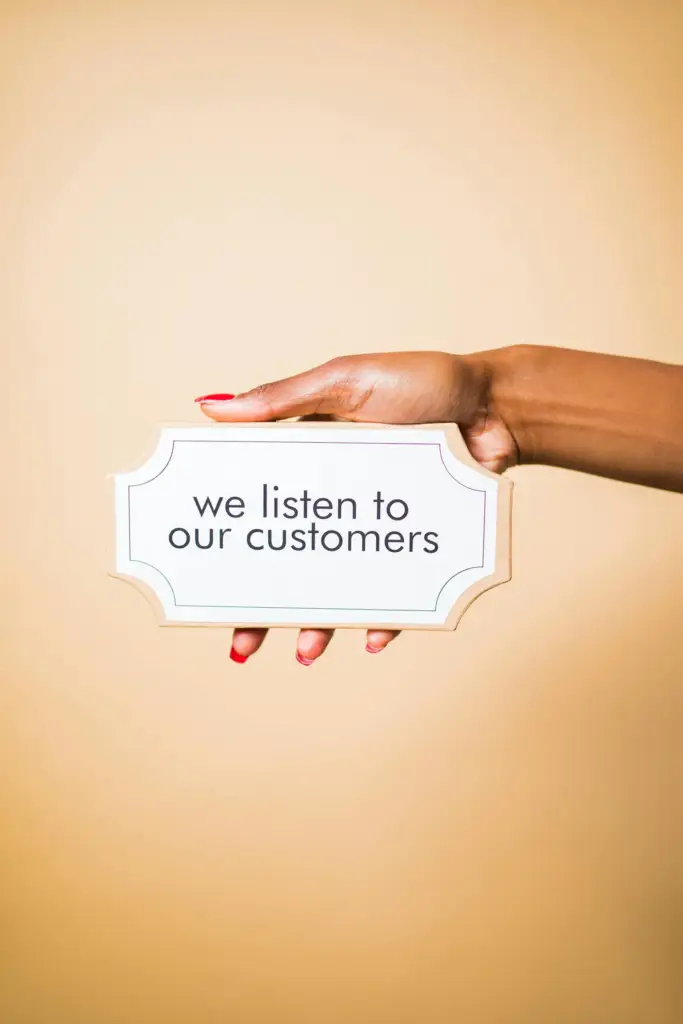
- Respond, listen, and celebrate your community.
Example: LEGO has turned its audience into co-creators, allowing fans to propose new sets.

5. Be sustainable and transparent
Sustainability is no longer a bonus: it is a basic expectation.
Young audiences prefer brands that are responsible towards the planet and people.
Practical tips:
- Communicate your processes and decisions honestly.
- Don’t promise more than you can deliver (avoid greenwashing).
- Integrate positive impact as a natural part of your identity.
Example: Allbirds and Too Good To Go are brands that combine sustainability and modern visual communication without losing authenticity.

6. Constantly evolve without losing your essence.
The digital market changes quickly, but authenticity never goes out of style.
Modern brands evolve visually and adapt to new platforms, while keeping their essence intact.
Your brand should have a solid foundation (values, purpose, voice), but be flexible enough to change its form without losing its soul.
Conclusion: connection is the new aesthetic
A modern brand in 2025 is not defined by its logo, but by how it makes its audience feel.
The new generations are looking for human experiences, honest messages, and causes with purpose.
If you can get your brand to speak their language, reflect their values, and evolve with them, you won’t just have customers… you’ll have a community that believes in you.
Modernize your brand with purpose and authenticity
At Lyon Agency, we help startups and creative brands build modern, flexible identities that connect with new generations.
Explore our modern branding portfolio.