Web design is no longer just about aesthetics, it’s about strategy
Web design in 2025 is no longer just a simple digital showcase. Today, the brands that stand out are those that build memorable experiences and manage to communicate their essence from the very first interaction.
For startups and creative brands, having an impactful website is no longer optional:
it is the starting point for building trust, standing out from the competition, and converting visitors into customers.
Below, we explore the web design trends for 2025 that are leading the way and how you can apply them to your brand.
1. Immersive design and interactive narratives
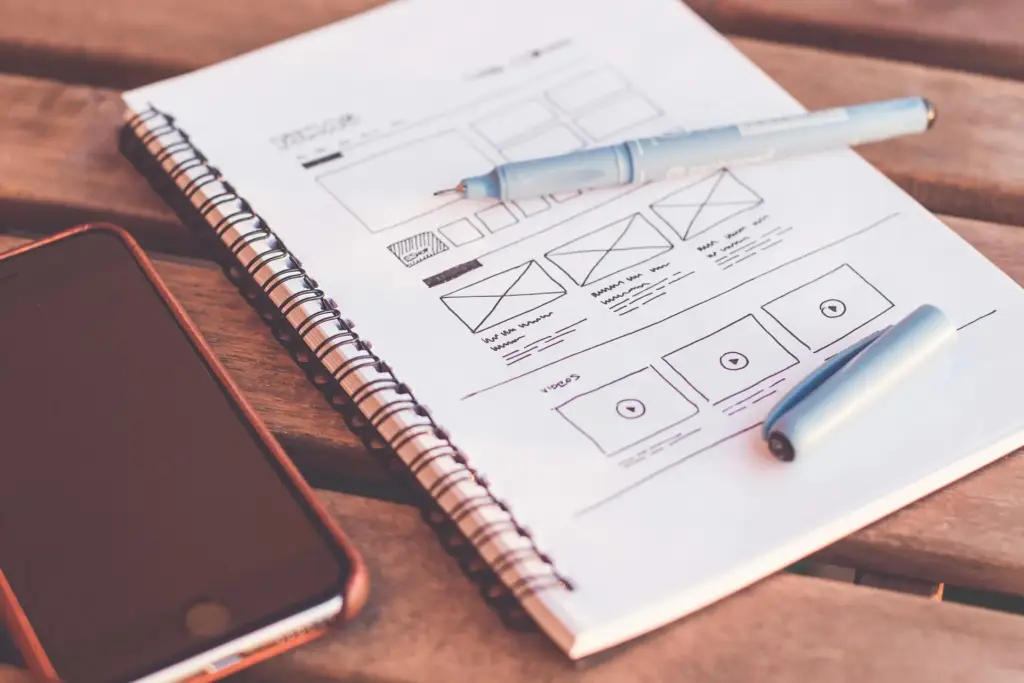
Users no longer want to browse; they want to live an experience.
The most effective websites of 2025 are using fluid animations, micro-interactions, and light 3D effects to guide visitors’ attention without overwhelming them.
Use animation as a narrative resource, not a decorative one. Transitions should tell a story or highlight an important action.
2. Vibrant colors and expressive compositions
After years of extreme minimalism, a bolder wave is coming.
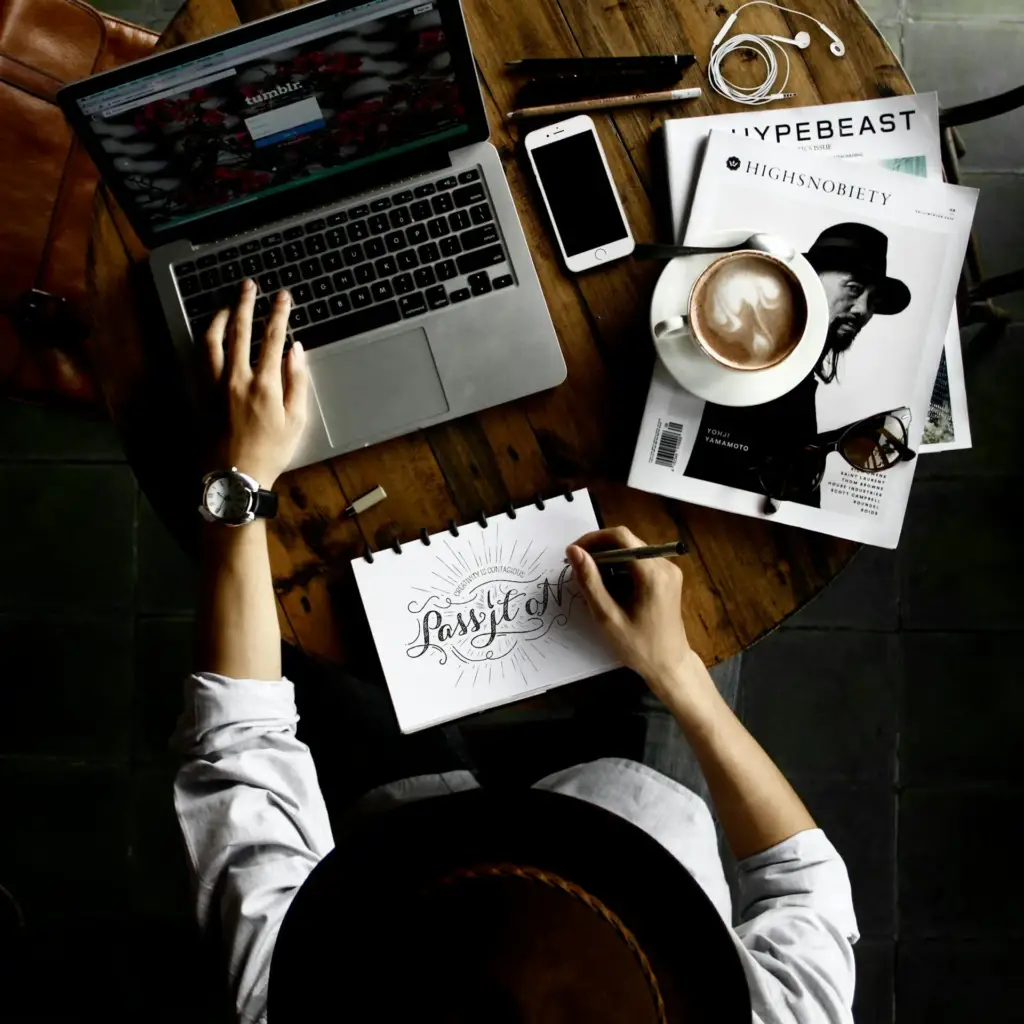
Creative brands are opting for daring color palettes, dynamic gradients, and strong contrasts that convey energy and personality. There are tools that can help us create pleasing color palettes.
Key trend: “Controlled maximalist” design—clean spaces, but with powerful and strategic visual details.
3. Typography with purpose
Typography will take center stage in 2025.
It will become an element of visual expression, not just reading. You will see custom fonts, modern serifs, and typographic combinations that reflect the emotional tone of the brand.
Example: Tech startups use geometric fonts to communicate innovation; artistic brands prefer organic fonts that convey authenticity.
4. Dark mode and visual accessibility
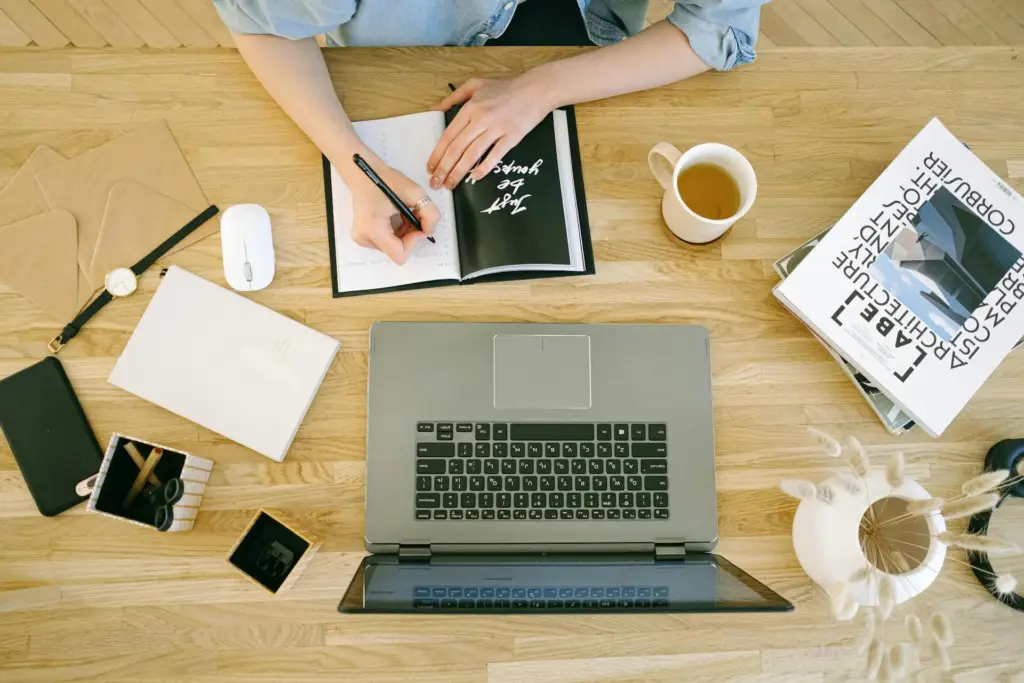
Dark mode is no longer just an aesthetic preference, but an accessibility requirement.
In 2025, brands prioritize user visual comfort, with options to switch between light and dark themes, improving readability and reducing eye strain.
Bonus: Accessibility is part of branding. Inclusive design communicates empathy and modernity.
5. Modular and scalable design
Startups grow fast, and their websites must grow with them.
That’s why web design trends for 2025 are focusing on modular structures: sections that can be updated or expanded without having to redo the entire site.
Advantage: It allows you to maintain visual consistency and optimize maintenance costs.
6. Artificial intelligence applied to design
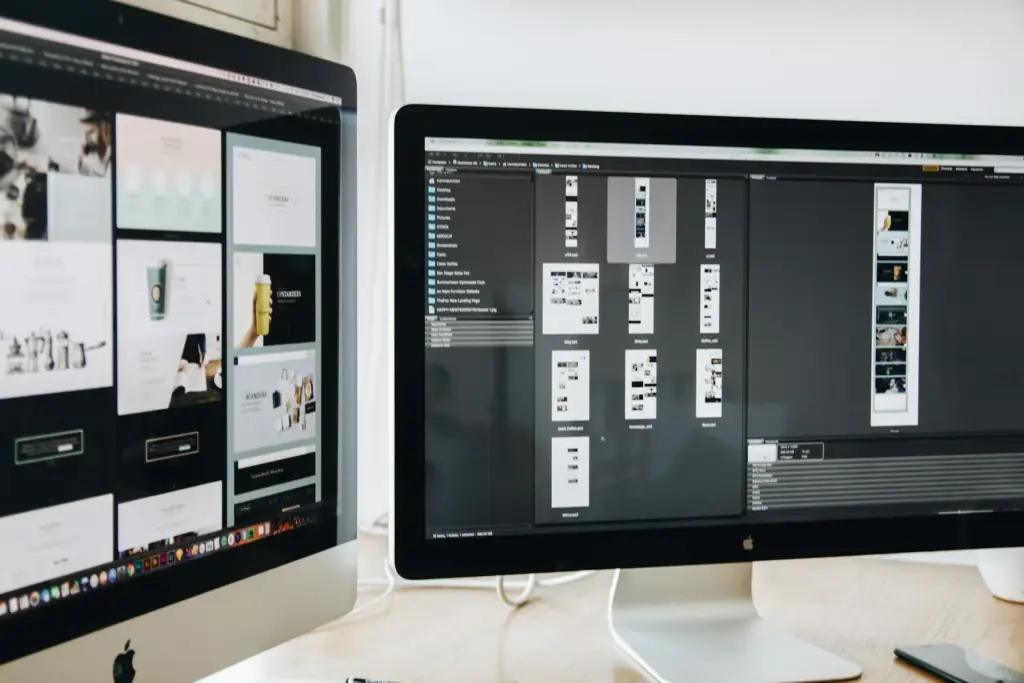
AI does not replace designers; it empowers them.
In 2025, we will see more websites created with the help of tools that optimize images, personalize the experience based on user behavior, and generate dynamic content in real time.
Practical example: displaying projects or products based on what the visitor has previously viewed or downloaded.
7. Authentic and human content
Although technology dominates, the brands that are gaining ground are those that maintain the human factor.
Real photos, team stories, and transparent messages connect more than generic texts.
Trend: “Human-first design” —sites with soul, created to generate empathy.
The future of web design is human, strategic, and adaptable
Web design trends for 2025 point to a balance between technology, aesthetics, and emotion.
For startups and creative brands, the key will be to stay up to date without losing authenticity: using innovation to express who they are, not just to look modern.
Ready to take your website to the next level?
At Lyon Agency, we design strategic and visually stunning websites that connect with today’s audiences.
Explore our portfolio and discover how we help creative brands stand out in the digital world.
See our entire web design portfolio